Spanish Homes for Sale in Los Angeles | The beauty of Spanish Colonial Revival architecture is strongly present and has a colorful history in Los Angeles. With roots in Spain and Latin America, these homes and estates represent a rich, timeless style that blends elements from Moorish, Mediterranean and Spanish Colonial architectural design. Spanish homes come in many sizes, from charming bungalows to estate-style luxury homes, in neighborhoods throughout the city. The Spanish-style interiors of these homes feel relaxed yet sophisticated and capture the spirit of the West.
If you’re looking for a home that is romantic and charming, you may want to consider a Spanish-style house. These homes are known for their beautiful design and intricate architectural details. With their warm colors and welcoming atmosphere, Spanish Revival homes are perfect for anyone who wants to live out their exotic travel dreams stateside.
Spanish colonial houses in the United States share many similarities with buildings found in Spain and other Spanish-speaking countries. However, there are also some important differences. One of the most obvious is that a Spanish Colonial house in the United States often incorporates Native American and Mexican influences. For instance, pueblo-style houses, known as Pueblo Revival, with their adobe walls and flat roofs, are a common sight in New Mexico. In California, you’ll find Mission-style buildings with their distinctive whitewashed adobe walls and large arches.
Another difference between Spanish Revival in the United States and in other countries is that American buildings often have a more symmetrical appearance. This is due to the fact that early Spanish colonists in the United States were influenced by the English, who also settled here. Looking at a Spanish colonial building in America, you’ll likely notice that it appears quite different from its counterpart in Spain.
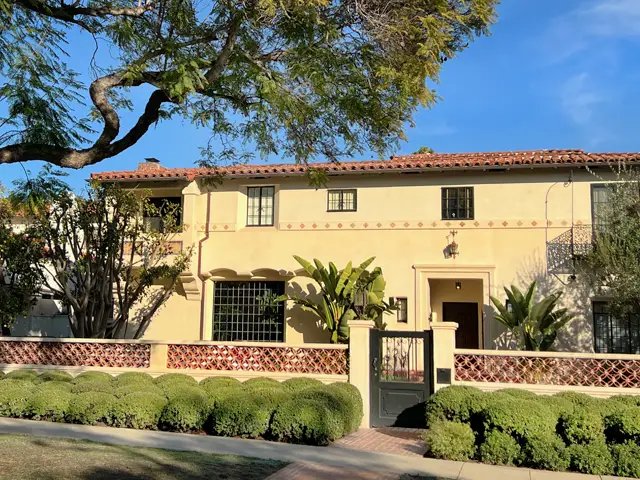
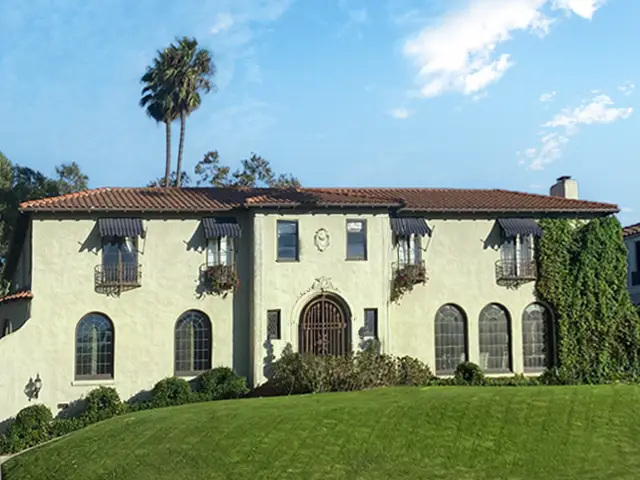
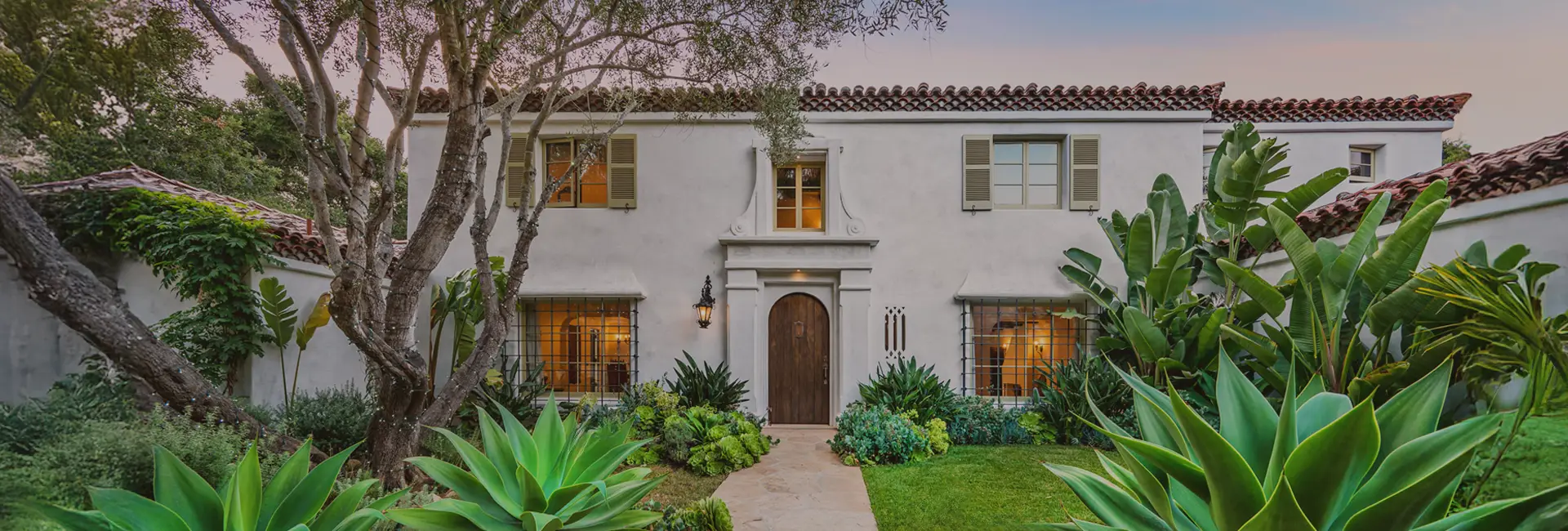
The first Spanish missionaries arrived in California in the 1700s, bringing with them their unique brand of architecture. The exteriors of Spanish homes are characterized by white stucco walls, red tile roofs and an overall Mediterranean feel. While these elements were originally more a matter of choice than necessity (since they were not well-suited to the climate), they soon came to be seen as quintessential features of California’s architectural landscape. Today, Spanish Colonial architecture can be found throughout the state, from Mission San Juan Capistrano to the Hollywood Hills. There is no denying the beauty and old-world charm of this timeless style and these homes are a popular choice in Los Angeles.
In the United States, the Spanish Colonial Revival aesthetic first gained popularity in Florida and California. In Florida, architects such as Addison Mizner designed grand resort hotels, often featuring stucco exteriors, courtyards and tile roofs that reflected the Spanish Baroque style of Andalusia. In California, architects and designers such as Julia Morgan and Bertram Goodhue created homes and public buildings in the Mission Revival style for clients such as newspaper magnate William Randolph Hearst. Spanish Colonial Revival architecture soon spread to other parts of the country, appearing in such diverse locations as New Orleans, Louisiana; Santa Fe, New Mexico and Charleston, South Carolina. Mission Revival-style architecture was inspired by the early Spanish missions and churches in California and incorporated such features as stucco walls, clay tile roofs and arches. The Pueblo Revival style, popular in the American Southwest, particularly in Texas and Arizona, drew on traditional Puebloan architecture, including adobe construction and flat roofs.
In contrast, Mediterranean-style homes tend to be more detailed in their exterior design. This is likely due to the influence of Moorish architecture, which was prevalent in southern Spain during the period when this home style became popular. Often intricate tile work, stonework and wrought iron accents can be seen on Mediterranean-style homes. Another key difference between these two styles is the roof. Some Spanish-style homes have a flatter roof, while Mediterranean homes may have pitched or hipped roofs. This is due to differences in climate between Spain and the countries that make up the Mediterranean region. The pitched roofs help to protect against heavy rains and snowfall common in this area.
One key feature of a Spanish Colonial-style home is its exterior walls, which are thick and covered in white stucco. These thick walls help to keep the interior cool in warm climates. Spanish Colonial homes often feature red tile roofs and arched doorways and windows. The interiors are primarily simple, with white walls and tile floors. Small windows in a Spanish Colonial home are used to minimize direct sunlight. These homes often have high ceilings and many separate rooms, with the floors typically made of tile or stone.
Clay tiles were commonly used in Spanish Colonial architecture and this tradition was carried over into the Revival Style. While clay tiles are more expensive than other roofing materials, they offer many benefits. Clay tile roofs are extremely durable and can last for centuries with proper maintenance. They are also fireproof and resistant to rot, mold and pests and are environmentally friendly and recyclable.
The Spanish-style house is characterized by intricate iron details. You’ll often see beautiful railings, balconies, and grates adorned with this type of metalwork. It’s one of the things that makes Spanish architecture so unique and special. Structural wooden support beams were used to help bear the home’s weight while adding rustic warmth and character.
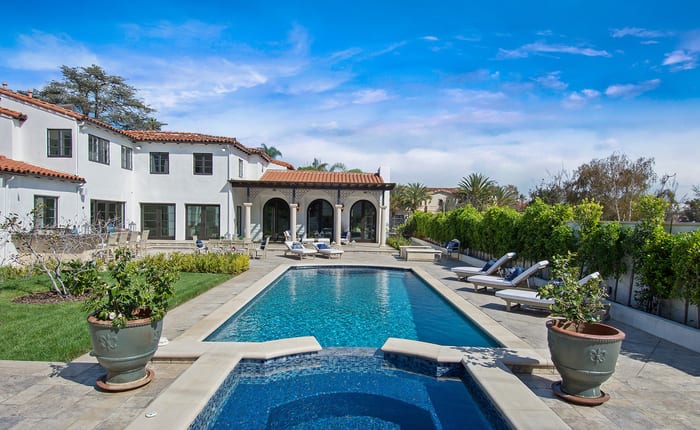
Another distinguishing feature of these homes is their large, covered porches called “loggias.” These were originally designed to protect against the hot sun and provide shade for outdoor activities. Spanish Colonial homes often have a central courtyard, which was originally used for cooking and washing clothes. Courtyards serve several purposes in these types of homes. First, they allow for natural light and ventilation and originally served as a place to keep animals. Today, these Spanish Colonial courtyards have been converted into welcoming outdoor spaces perfect for entertaining or relaxing, with pools and lush gardens. Courtyards can also act as a buffer between the home and the outside world, providing a sense of privacy and security.
Spanish-style homes are among the most charming and alluring in California. With their elegant stucco walls, red tile roofs and graceful arches, they capture the spirit of the Golden State like no other architectural style can. Hollywood came calling on architect Wallace Neff, who designed several classic estates in the 1920s and beyond in his Spanish Colonial Revival style. He termed his design “California Style,” creating spectacular properties in Beverly Hills, Bel Air, Hancock Park, Glendora and Pasadena. The Spanish homes for sale in Los Angeles can be quaint or expansive and are available in many LA neighborhoods, Los Feliz, Silver Lake, Beverly Hills, the Sunset Strip and more. These timeless homes are inviting, comfortable and connected to the outdoors via alfresco dining areas, patios and terraces.
Some Spanish-style homes are more modern and contemporary, while others are classic and traditional. These homes are welcoming, luxurious, and perfect for buyers who want to invest in a property that will always be in style. Whether you’re looking for an entry-level home or a luxury estate, there’s a Spanish-style home out there that’s perfect for you. Contact Beyond Shelter to find additional historic Spanish homes for sale in Los Angeles and celebrate the charmed life.
2 BD |
1 BA |
$1,150,000

1 BD |
1 BA |
$499,000
5 BD |
5 BA |
$14,950,000

4 BD |
6 BA |
$4,977,000

3 BD |
3 BA |
$1,499,000
Los Angeles is shaped by a collection of character-filled neighborhoods, each offering its own architectural personality and sense of place. Some areas are defined by modernist hillside homes with sweeping views, while others showcase luxurious estates. Journey through our curated guides to discover the unique style and historic charm of these distinctive LA neighborhoods.