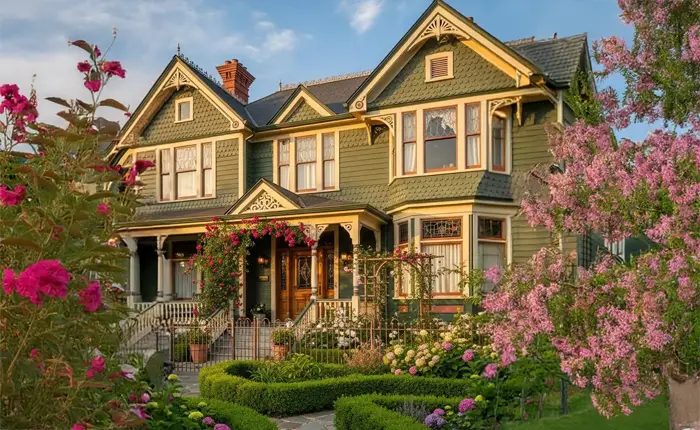
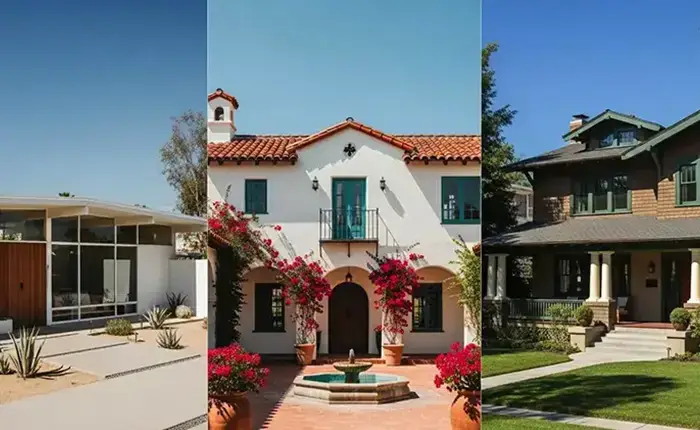
A curated collage highlighting Los Angeles’ architectural diversity—bringing together iconic Mid-Century Modern lines, the romantic details of Spanish Colonial Revival homes, and the handcrafted warmth of classic Craftsman residences, each reflecting a distinct era of design and a shared sense of place.
What Are the Key Architectural Styles in Los Angeles Historic Homes?
Los Angeles has many architectural styles that reflect its history and climate. Knowing these styles helps you make restoration choices that look and feel authentic. The main styles you’ll see are:
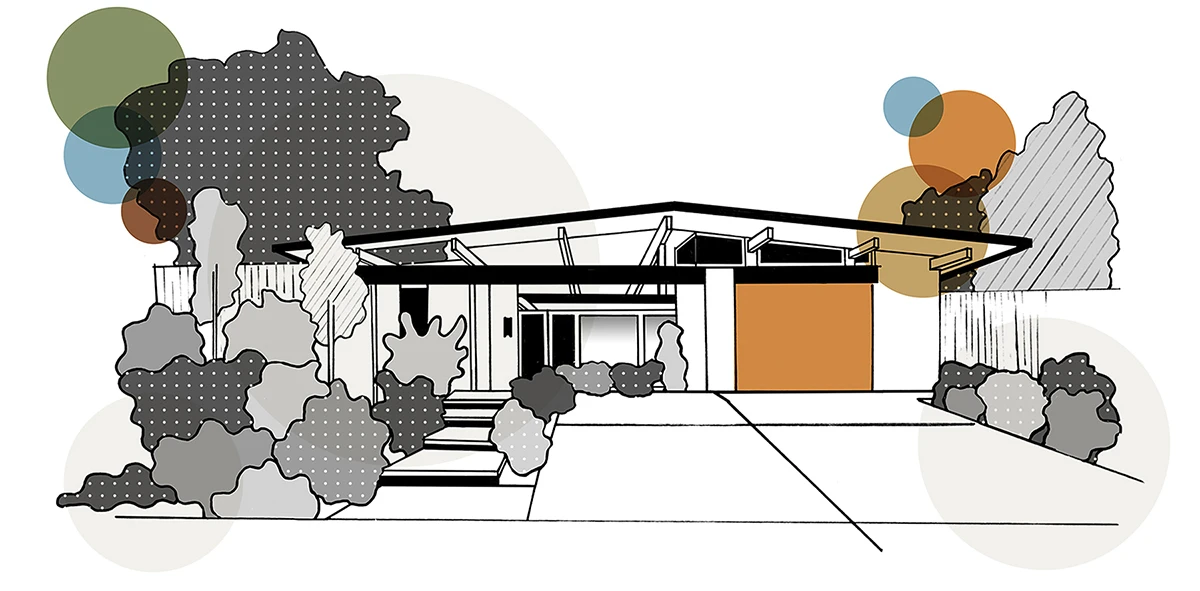
– Mid Century Modern: Clean, horizontal lines, large glass walls and a strong indoor‑outdoor connection. Prioritizes simplicity and function, most common from the 1940s through the 1960s.
– Spanish Colonial Revival: Includes stucco walls, red clay tile roofs, arched openings and decorative tile or wrought iron. This style has roots in mission and Mediterranean influences and was popular from the 1910s to the 1930s.
– Craftsman: Known for handcrafted details, exposed rafters, tapered columns and built-in cabinetry. This style celebrates natural materials and skilled craftsmanship and was widely built from the early 1900s to the 1930s.
Each style presents its own restoration challenges and offers opportunities to highlight original details and craftsmanship
How Do You Identify Mid-Century Modern Features for Restoration?
What Are the Distinctive Elements of Spanish Colonial Revival and Craftsman Homes?
Which Original Architectural Features Should You Preserve and Restore?
You don’t need to fully restore every part of your home, but some features are essential to its historic character. Important features to protect include:
– Windows: Original windows often carry unique profiles, muntin patterns and hardware that shape a home’s look.
– Woodwork: Molding, trim and built‑ins reflect the craftsmanship and proportions of the era.
– Millwork: Doors, staircases, newel posts and cabinetry that reveal original construction and style.
Preserving these features keeps your home’s historical integrity and can also make it more appealing to buyers, now or in the future.
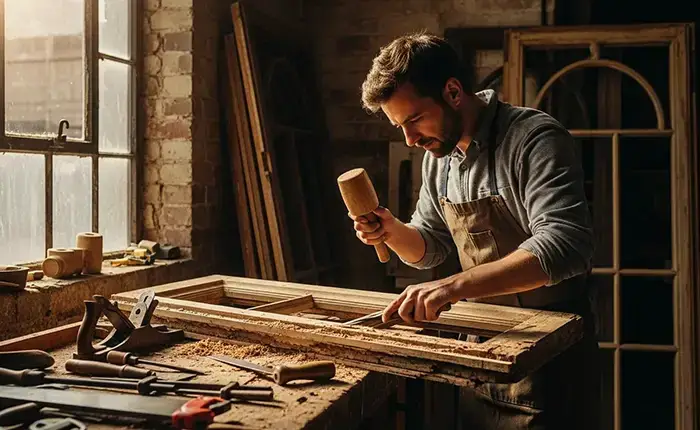
A skilled artisan restoring a historic window frame using time-honored tools and traditional craftsmanship techniques.
How Can You Restore Historic Windows, Woodwork and Millwork?
Research shows that historic windows are architectural features worth preserving; they contribute to a building’s appearance and when properly upgraded, can meet modern energy goals.
Historic Window Restoration: Energy Efficiency & Preservation
As people focus more on energy upgrades, replacing historic windows is often discussed. Research examines maintenance, repairs and energy improvements to determine how replacement can affect a building’s appearance, costs, and energy use. The main takeaway is to keep historic windows whenever possible, upgrading them for better energy performance while respecting the building’s history.
What Are Best Practices for Repairing Plaster, Masonry and Vintage Flooring?
– Plaster Repair: Use lime‑based or similarly compatible plasters so walls remain breathable and materials age together.
– Masonry Repair: Match mortar composition and joint profile to the original; mismatched mortar can accelerate deterioration.
– Vintage Flooring: Refinish hardwood carefully to remove wear while preserving patina; replace boards selectively with reclaimed or matching stock when needed.
These methods help keep your home’s structure healthy and true to its original style.
What Is the Step-by-Step Process for Planning and Executing Historic Home Restoration?
Having a clear plan helps you stay on budget and maintain your home’s character.
– Research Your Home’s History: Learn the home’s original design, materials and note past alterations to guide decisions.
– Hire Preservation Specialists: Work with professionals who have experience with historic homes. They can help you choose the right techniques and materials.
– Navigate Permits: Confirm local historic‑preservation rules and secure required approvals before construction begins.
How Do You Research Your Home’s History and Hire Preservation Specialists?
Begin your research at local archives, historical societies, the National Register of Historic Places and online records to find blueprints, photos and ownership history. When choosing specialists, check their portfolios for similar projects, ask for references, and make sure they explain their conservation methods clearly. A good preservation expert will listen to your goals and discuss the pros and cons of preservation versus modern upgrades. Reach out to the LA Conservancy for recommendations.
How Do You Navigate Permits and Integrate Modern Amenities Discreetly?
Where Can Historic Homeowners Find Local Resources and Financial Incentives in Los Angeles?
Homeowners in Los Angeles can find specialized suppliers and financial programs that make restoration easier.
– Local Resources: Architectural salvage yards, restoration specialists and seasoned tradespeople supply the materials and skills you’ll need.
– Financial Incentives: Historic preservation grants, tax credits and local incentive programs can offset project costs.
– Community Support: Preservation groups and neighborhood organizations offer guidance, referrals and advocacy.
What Architectural Salvage Yards and Skilled Craftspeople Are Available Locally?
How Do Historic Preservation Grants and Tax Credits Support Restoration Projects?
Some common historic styles in Los Angeles have specific restoration priorities. Understanding these differences helps you plan work that looks and feels authentic.
– Spanish Colonial Revival: Stucco exteriors and red clay tiled roofs. Use authentic materials and traditional details.
– Craftsman: Handcrafted details, built-ins and classic color palettes. Maintain original craftsmanship and joinery. If wood is damaged, consider repair or paint to keep the original design intent.
– Mid-Century Modern: Clean lines, large windows and structured landscaping. Preserve original materials, glazing, details and proportions.
Restoring original architectural features is a great way to protect your home’s history and make it comfortable for modern living. By learning about the styles, spotting key elements to save, following best practices and using local resources and incentives, you can care for a historic home that people will enjoy for years to come.
Frequently Asked Questions
What are the common challenges faced during historic home restoration?
How can homeowners ensure they are using authentic materials in their restoration projects?
What role do local preservation organizations play in historic home restoration?
How can homeowners preserve energy efficiency while preserving historic features?
What are the benefits of hiring preservation specialists for restoration projects?
What should homeowners consider when planning a budget for restoration?
Los Angeles features a diverse range of architecture, from Mid-Century Modern and Spanish to classic historic homes. Beyond Shelter Real Estate Group connects buyers with current and off-market listings, arranges private showings and offers tailored for our clients. Our design expertise allows us to advise on how architectural details impact lifestyle, comfort and long-term value as well as to offer practical guidance on updates and home restoration.
Whether you are buying or selling, our team is ready to guide you. Contact us at 323-745-1160 or livebeyond@beyondshelter.com. If you are preparing to sell, our Ready. Set. Show. Plan ensures your home makes an outstanding debut and achieves maximum value.