Richard Dorman Architecture: Master of Mid-Century Modern Design in Los Angeles
Richard Dorman Architect Profile | Key Facts
Born: November 27, 1922, Los Angeles, California
Died: April 3, 2010, Santa Fe, New Mexico (Age 87)
Style: Mid-Century Modern, Post-and-Beam Construction
Known For: Innovative seven-foot post-and-beam module, “total design” philosophy unifying landscape and architecture, signature use of Douglas fir timber and tongue-and-groove ceilings, thin wood slat exterior cladding creating light and shadow effects
Project Locations: Trousdale Estates (Beverly Hills), Sherman Oaks Estates, Hollywood Hills, West Hollywood, Bel-Air, Venice Beach
Notable Work: Los Angeles International Design Center (1964), Trousdale Estates residences, Beverly Garland House (1959), Art Seidenbaum House (1965), Sepulveda Rose Apartments (1959), Ivory Tower Restaurant (1961)
In This Article
From Fighter Pilot to Master Architect
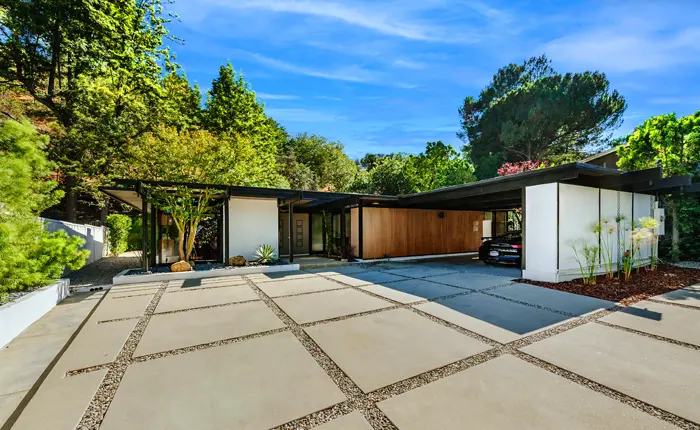
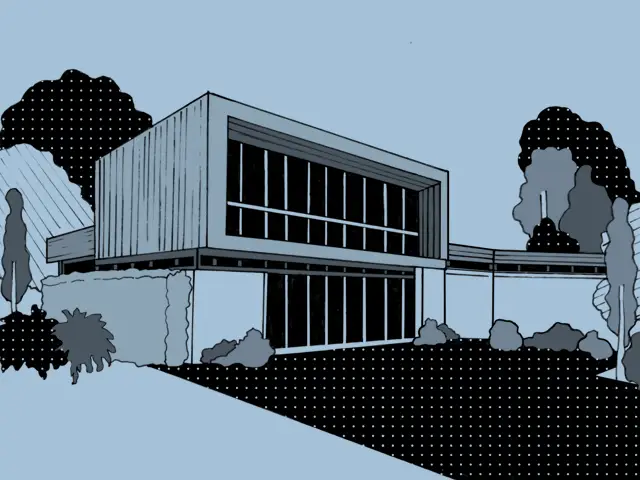
In the hands of architect Richard Dorman, post-and-beam construction becomes an elegant expression of structure and light. Exposed beams, walls of glass and open volumes dissolve the boundary between indoors and landscape, honoring California modernism. The result is architecture that feels both disciplined and deeply livable.
The Total Design Philosophy
Richard Dorman embraced what he called “total design,” a holistic approach that unified landscape, exterior architecture and interior spaces into seamless compositions. This philosophy reflected the broader mid-century modern movement’s emphasis on breaking down barriers between indoors and outdoors, but Dorman executed it with particular elegance and cohesion.Rather than treating buildings as isolated objects, Dorman considered how structures related to their natural surroundings, how light moved through spaces throughout the day and how residents would experience the flow from room to room and into garden areas. This comprehensive vision meant that landscaping wasn’t an afterthought but an integral component of the architectural statement.His work consistently demonstrated restraint and refinement. While some mid-century architects favored bold sculptural gestures, Dorman’s buildings achieved distinction through proportion, material selection and the careful orchestration of solid and void. The result was architecture that felt effortless, sophisticated without being showy, modern without being cold. Explore our collection of architectural homes for sale to experience this design philosophy firsthand.Signature Post-and-Beam Construction
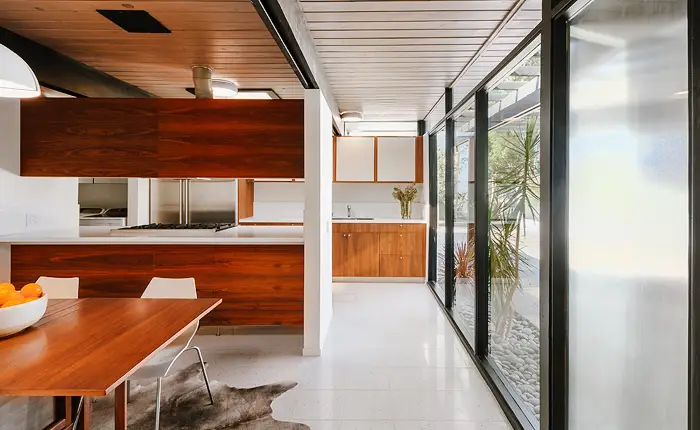
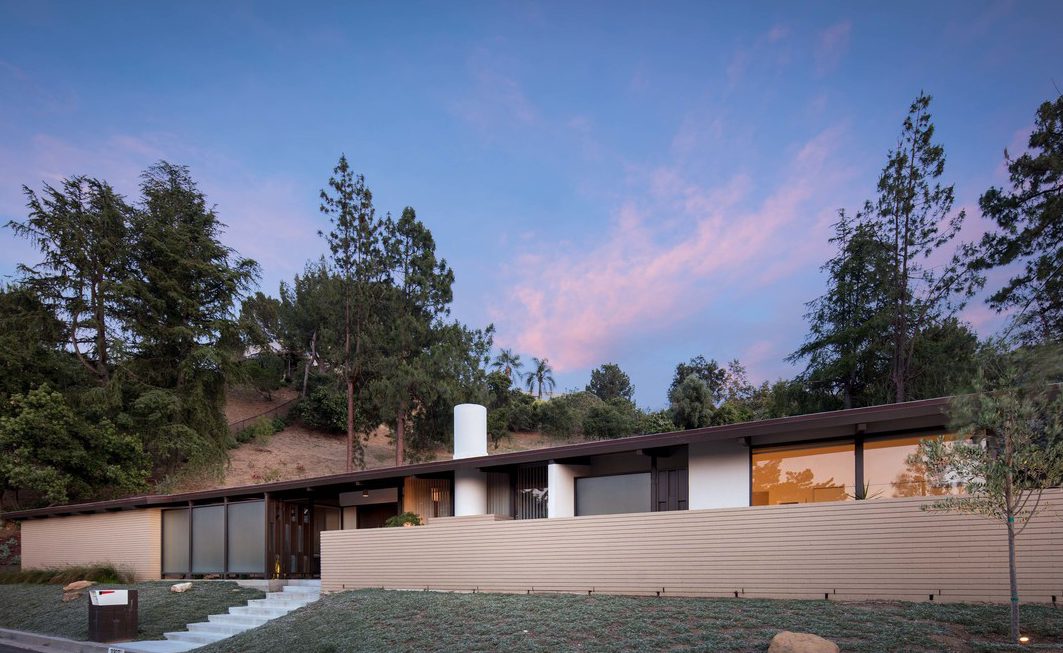
Exposed Douglas fir post-and-beam structure creates dramatic interior volumes while enabling floor-to-ceiling glass walls in this classic Dorman residence.
Trousdale Estates: A Dorman Showcase
When developer Paul Trousdale began carving the exclusive Trousdale Estates neighborhood from 410 acres of the former Doheny Ranch in the 1950s, he assembled an architectural dream team. Richard Dorman stood among elite company, including A. Quincy Jones, Lloyd Wright, Wallace Neff, Paul R. Williams and Cliff May. Together, these masters created what remains Los Angeles’s largest and most complete grouping of custom mid-century modern architecture.Dorman designed multiple residences in Trousdale, where strict architectural guidelines required homes of at least 3,000 square feet while limiting construction to single stories to preserve views. These constraints proved ideal for Dorman’s post-and-beam approach, which could create spacious, open-plan homes that felt expansive despite their horizontal emphasis.The Trousdale commissions connected Dorman with a wealthy, design-savvy clientele that appreciated architectural innovation. These projects allowed him to refine his residential work and establish his reputation for creating sophisticated homes that balanced privacy with openness, luxury with livability. The neighborhood’s celebrity residents, including Frank Sinatra, Dean Martin and Groucho Marx, brought additional prestige to the architects who built there.Today, original Dorman homes in Trousdale Estates command premium prices and attract collectors of mid-century architecture. The neighborhood’s architectural pedigree and historic restrictions help preserve these important examples of 1950s and 1960s residential design. Discover available properties in our guide to Los Angeles neighborhoods.Commercial Masterpieces
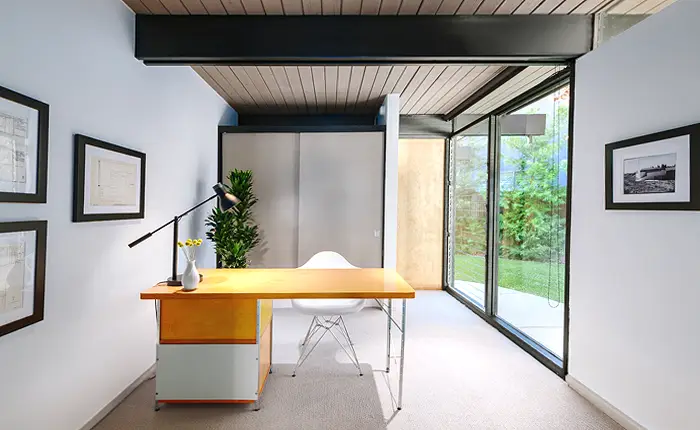
Richard Dorman designed the perfect mid-century home office in this post-and-beam house, highlighted by classic pieces from Eames and Nelson.
Notable Residential Projects
Beyond Trousdale Estates, Dorman designed distinguished residences throughout Southern California, showcasing his range and refinement. The Beverly Garland house in the Hollywood Hills, completed in 1959 for the actress, exemplifies his mature residential style with its post-and-beam construction, floor-to-ceiling glass and integration with the hillside site.The Art Seidenbaum House, built in 1965 for the famed Los Angeles Times columnist, sits on over an acre of land between Bel-Air and Sherman Oaks, with 180-degree views of the mountains and valley. Dorman designed it as a “4-pod” composition with exposed Douglas fir post-and-beam structure and tongue-and-groove wood ceilings. The original infinity-edge pool demonstrated Dorman’s early embrace of landscape features that would become standard decades later.In Sherman Oaks, Dorman created multiple residences in Sherman Oaks Estates that have been carefully preserved and restored. These homes typically feature his signature elements: post-and-beam construction, walls of glass in every room, open-plan living areas that flow to pools and gardens, and walnut cabinetry demonstrating fine craftsmanship. Many sit on larger lots that allowed Dorman to develop comprehensive landscape designs.The Sepulveda Rose apartment complex in Venice Beach (1959) showed Dorman could apply his post-and-beam approach to multi-family housing. This project proved that his architectural principles, open plans, natural light and indoor-outdoor connections could enhance urban density rather than requiring sprawling suburban sites. Browse our home styles guide to understand the full spectrum of architectural options available today.National Recognition and Legacy
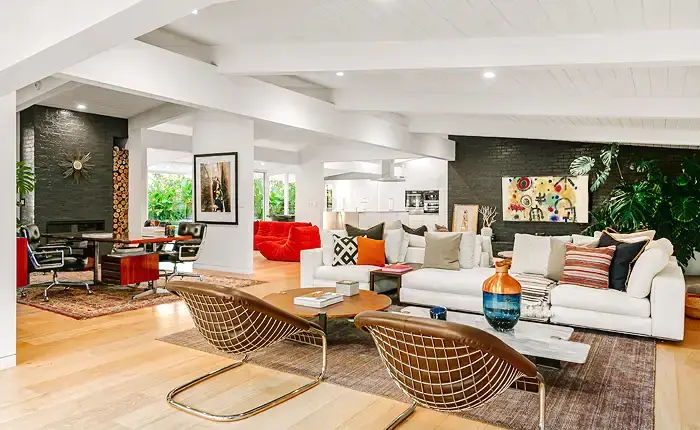
The characteristic Dorman interior: exposed post-and-beam structure, floor-to-ceiling glass, and seamless indoor-outdoor flow exemplify Southern California modernism at its finest. These design principles remain as relevant and desirable today as when Dorman first pioneered them in the 1950s and 1960s.
Collecting Dorman Architecture Today
Richard Dorman homes represent compelling opportunities for architecture enthusiasts and collectors. These properties offer exceptional mid-century pedigree, quality construction and design features that have proven timeless. Original Dorman residences that retain their architectural integrity command premium prices, particularly in desirable neighborhoods such as Trousdale Estates, Sherman Oaks Estates and the Hollywood Hills.When evaluating a Dorman property, key features to verify include the original post-and-beam structure, tongue-and-groove ceilings, proportions and module spacing, the integration of indoor and outdoor spaces and the quality of restoration or updates. The best examples preserve Dorman’s original design intent while incorporating sensitive updates to systems and finishes for contemporary living.Many Dorman homes have undergone careful restorations by owners who appreciate their architectural significance. These projects often involve collaboration with specialized architects who understand mid-century design principles. Well-executed restorations maintain original structural details, wood finishes and spatial relationships while updating kitchens, bathrooms and mechanical systems to current standards.The market for Dorman architecture remains strong, driven by several factors: limited inventory of original examples, growing appreciation for mid-century modern design, quality of construction and materials, prestigious locations and historical significance as documented examples of an important LA architect. Contact Beyond Shelter Real Estate and our Los Angeles real estate team to discuss your architectural home search.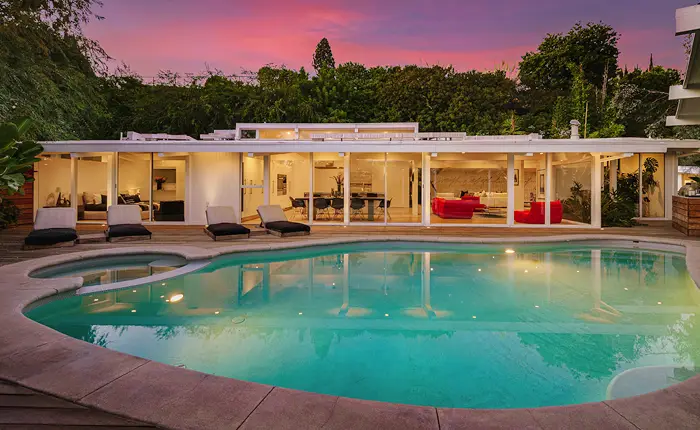
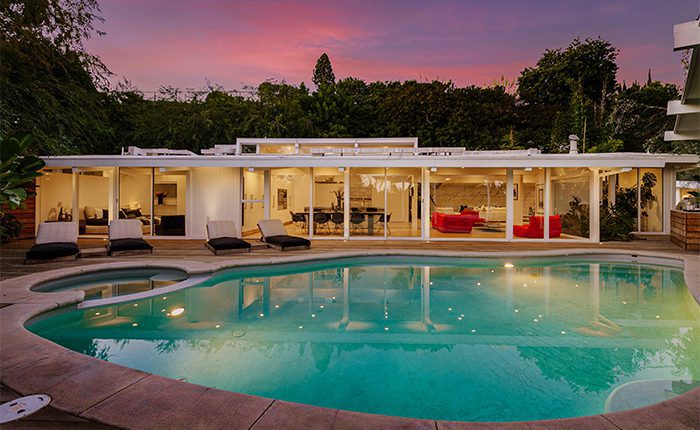
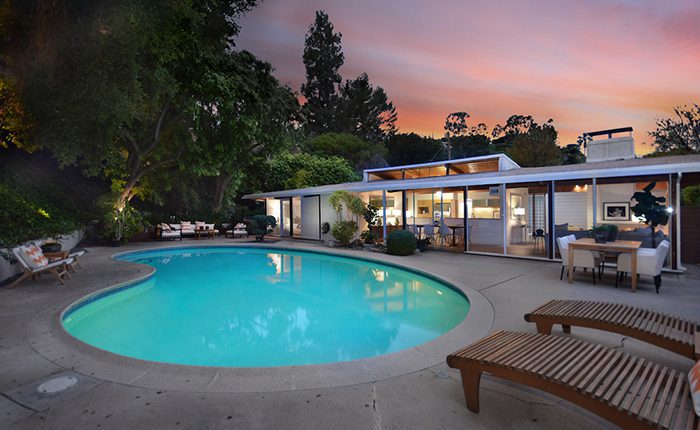
Dorman homes masterfully integrate freeform pools and outdoor living spaces with architectural forms, creating quintessential California indoor-outdoor lifestyle environments.
Richard Dorman Notable Projects & Houses
Commercial & Institutional
Los Angeles International Design Center 8899 Beverly Boulevard, West Hollywood (1964) Nine-story reinforced concrete tower with double-height pilotis and projecting balconies. Originally housed the International Design Center and professional design organizations.
Ivory Tower Restaurant Santa Monica (1961, demolished) AIA Honor Award winner showcasing Dorman’s commercial design excellence.
Airport Office Building Westchester (1961) Modern office complex near LAX.
Malibu United Methodist Church Malibu (1965) Modernist religious architecture integrating indoor-outdoor worship spaces.
Beverly Hills National Bank Building Brentwood (1965) Featured in Architectural Record for innovative commercial design.
Residential – Trousdale Estates
Multiple Custom Residences Trousdale Estates, Beverly Hills (1950s-1960s) Dorman designed numerous single-story post-and-beam homes for wealthy clients in this exclusive hillside enclave, working alongside A. Quincy Jones, Lloyd Wright, and other master architects.
Irving Stone Residence Beverly Hills (1961, demolished 2008) Celebrated for sophisticated integration of Japanese design influences with California modernism.
Residential – Hollywood Hills & West Hollywood
Beverly Garland House Hollywood Hills (1959) Designed for the actress, exemplifying Dorman’s mature residential style with post-and-beam construction and hillside integration.
The Niehart Residence West Hollywood (1958) Meticulously maintained wood and glass mid-century home on the Sunset Strip. Los Angeles Historic-Cultural Landmark #1040
Nichol Canyon Colony Mid-Century Residence West Hollywood (1958) Restored and reimagined by Studio Tim Campbell, preserving original structural details while embracing contemporary design.
Residential – Sherman Oaks & Bel-Air
Art Seidenbaum House Between Bel-Air and Sherman Oaks, off Mulholland Avenue (1965) Commissioned for LA Times columnist Art Seidenbaum. Features “4-pod” design on over 1 acre with 180-degree mountain and valley views, Douglas fir post-and-beam structure, and original infinity-edge pool.
Scadlock Lane Sherman Oaks Post-and-Beam Residence Sherman Oaks Estates (1959) Post-and-beam residence off Mulholland Drive, restored while maintaining original form. Features walls of glass, tongue-and-groove ceilings, and free-form pool. Previously owned by singer Halsey.
Stone Canyon Residence Bel-Air Nestled in Bel-Air’s verdant hills, showcasing Dorman’s integration of architecture with natural surroundings.
Residential – Encino
Glazier House This split-level mid-century modern residence received a Merit Award from House & Home and Sunset magazines several years after its completion. Its elegant post-and-beam architecture is further elevated by soaring glass walls that accentuate the home’s dramatic ceiling heights and flood the interior with natural light.Multi-Family & Mixed-Use
Sepulveda Rose Apartments Venice Beach (1959) Exemplifies Dorman’s ability to apply post-and-beam construction to multi-family residences, proving his architectural principles enhanced urban density.