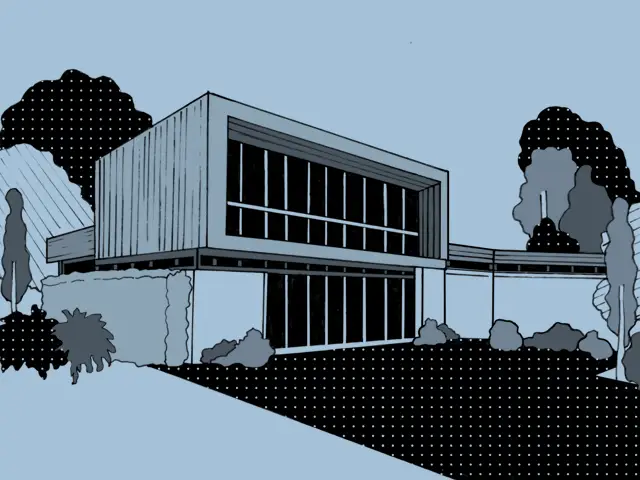
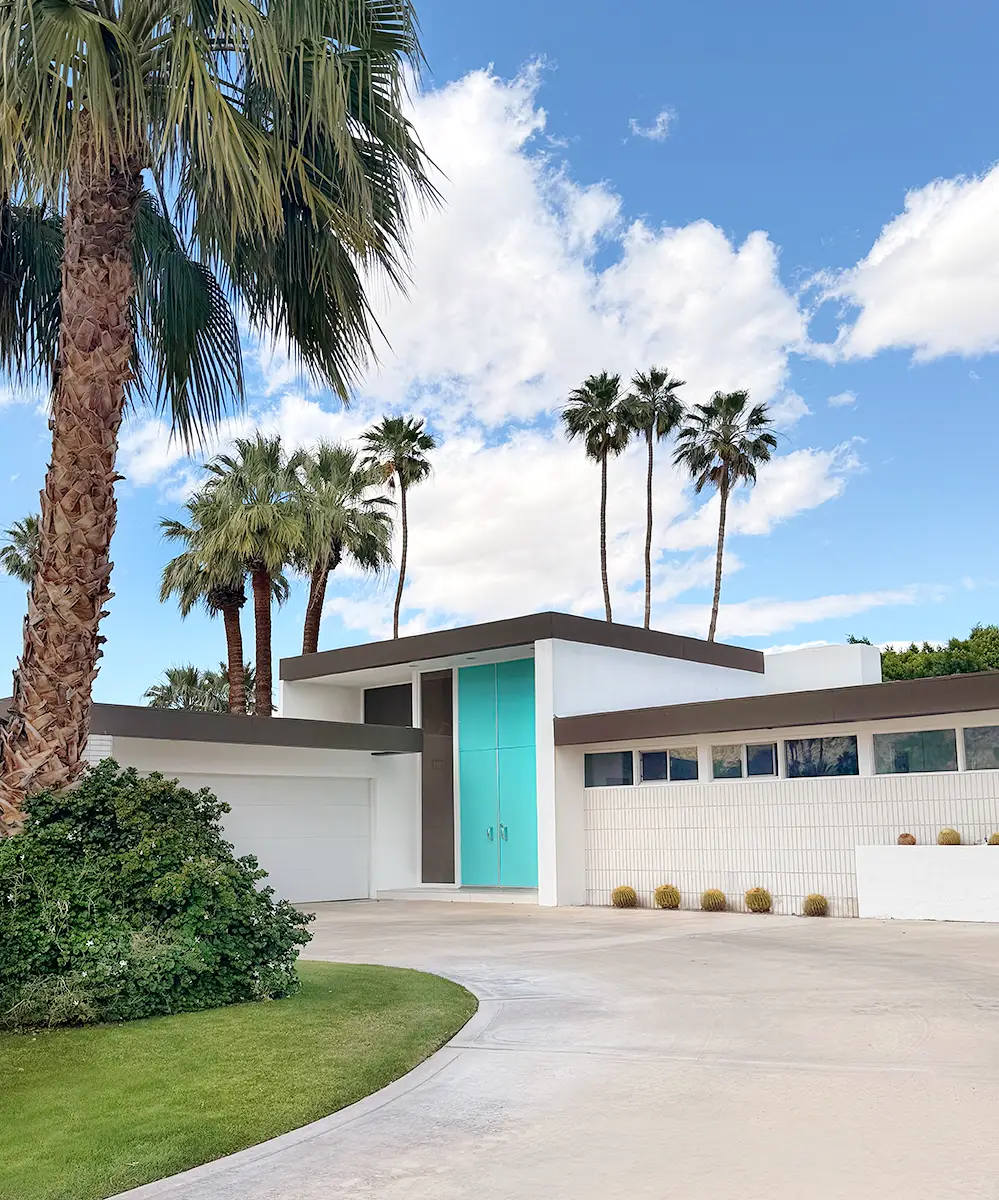
Ray Kappe Architecture: The California Modernist Who Shaped Los Angeles
Ray Kappe (1927-2019) was an American architect and educator based in Los Angeles, California, widely regarded as a defining figure of California modernism. Known for his hillside residential designs using post-and-beam construction and tower-supported structures, Kappe designed over 100 custom homes across Southern California, with a concentration in Pacific Palisades, Santa Monica Canyon and Encino. His own home, the Kappe Residence (1967), is a Los Angeles Historic-Cultural Monument and is considered one of the most significant modernist houses in the city. In 1972, Kappe co-founded the Southern California Institute of Architecture (SCI-Arc) with Thom Mayne and group of faculty and students from the Department of Architecture at California State Polytechnic University, Pomona. In 2006, he completed the LivingHome Z6 in Santa Monica, the world’s first LEED Platinum certified residence. His archive is held at the Getty Research Institute in Los Angeles.
Ray Kappe, FAIA — Architect Profile
- Born: August 4, 1927 — Minneapolis, Minnesota
- Died: November 21, 2019 — Los Angeles, California (age 92)
- Education: University of California, Los Angeles (UCLA), one semester, 1945; B.Arch., University of California, Berkeley, 1951.
- Style: California Modernism, Post-and-Beam Construction, Hillside Modernism, Organic Architecture, Sustainable and Prefabricated Design
- Known For: Tower-and-beam hillside residential design; siting homes on terrain considered unbuildable; over 100 custom residences across Southern California; co-founding the Southern California Institute of Architecture (SCI-Arc) in 1972; designing the world’s first LEED Platinum certified home; pioneering prefabricated and modular construction as a design discipline
- Key Project Locations: Los Angeles, CA (Palisades, Santa Monica Canyon, Encino, Malibu, West Los Angeles, Crestwood Hills, Beverly Hills) – Palm Springs, CA
- Notable Work: Kappe Residence, Pacific Palisades (1967) — LA Historic-Cultural Monument No. 623; National Boulevard Apartments, West Los Angeles (1954) — AIA Design Award; LivingHome Z6, Santa Monica (2006) — world’s first LEED Platinum certified home; Beron House / LivingHome II (2007); DWR flagship store, Oakland (adaptive reuse of historic bank building)
- Influences: Carl Maston (most formative direct influence, cited by Kappe himself); Richard Neutra (spatial use and integration with landscape); Frank Lloyd Wright (organic architecture and relationship to landscape); Paul Rudolph (multi-level floating planes and levels, cited by Kappe as a direct influence on the Kappe Residence); Louis Kahn (structural expressionism, cited by Kappe as an influence on the Kappe Residence); R.M. Schindler (California modernist tradition); Harwell Hamilton Harris (natural modernism); Bay Area Modernism and Arts and Crafts material traditions from UC Berkeley training
- Awards and Honors: AIA/ACSA Topaz Medallion for Excellence in Architectural Education (highest award in American architectural education); AIA President’s Lifetime Achievement in Education Award (2006); Richard Neutra International Medal for Design Excellence (1986); California Council/AIA Bernard Maybeck Award for Design (1995); Cal Poly Pomona Richard Neutra Medal for Professional Excellence (1987); AIA Los Angeles Gold Medal; LA Architectural Lifetime Achievement Award; UC Berkeley College of Environmental Design Distinguished Alumnus in Architecture (1996, first-ever recipient); AIA Los Angeles 25-Year Design Award and AIA California Council 25-Year Award for the Kappe Residence; LivingHome Z6 named one of the “Top Ten Greenest Buildings in the U.S.” by the AIA National (2007); NAHB Research Center Energy Value Housing Award; Fellow, American Institute of Architects (FAIA)
- Archive: Ray Kappe Papers, 1954–2007 – Getty Research Institute, Los Angeles. Collection donated by Kappe in 2008. Encompasses thousands of architectural drawings, models, photographs, client correspondence, and project files covering more than 300 executed and unexecuted projects.
Kappe’s life, philosophy and his iconic projects are an important part of Los Angeles’ architectural history. Whether you are an architecture enthusiast, a design-conscious buyer, or simply curious about the modernist tradition in Southern California, Kappe’s work opens up a richer picture of what Los Angeles homes can be at their finest. Explore our collection of architectural homes for sale in Los Angeles to see how this legacy lives on today.
In This Article
- Early Life and the Path to Architecture
- The Design Philosophy Behind Ray Kappe Architecture
- The Kappe Residence: A Monument in Pacific Palisades
- Iconic Kappe Homes Across Los Angeles
- Founding SCI-Arc and Shaping Architectural Education
- Prefabrication, Sustainability, and the LivingHomes Partnership
- Awards, Recognition, and the Getty Archive
- Ray Kappe’s Legacy in Los Angeles Real Estate Today
- FAQs About Ray Kappe Architecture
Early Life and the Path to Architecture
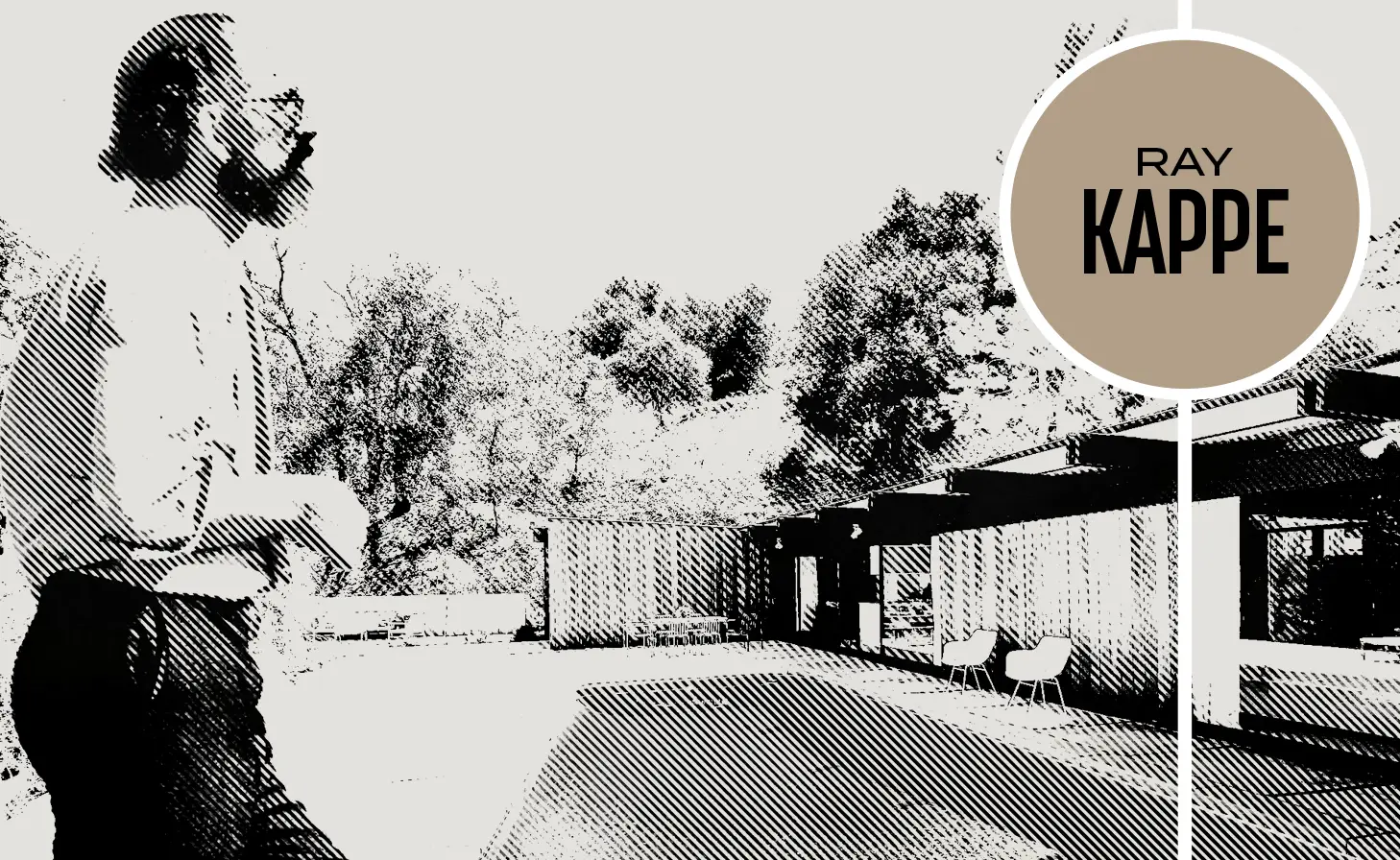
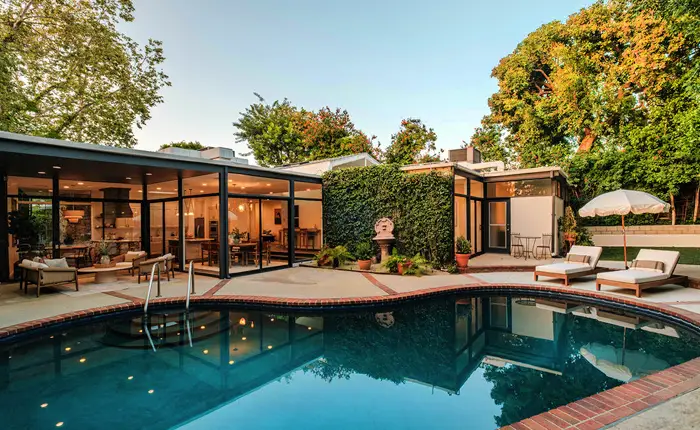
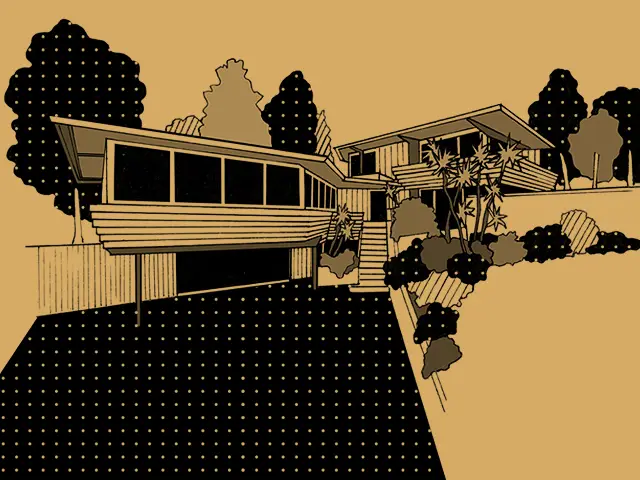
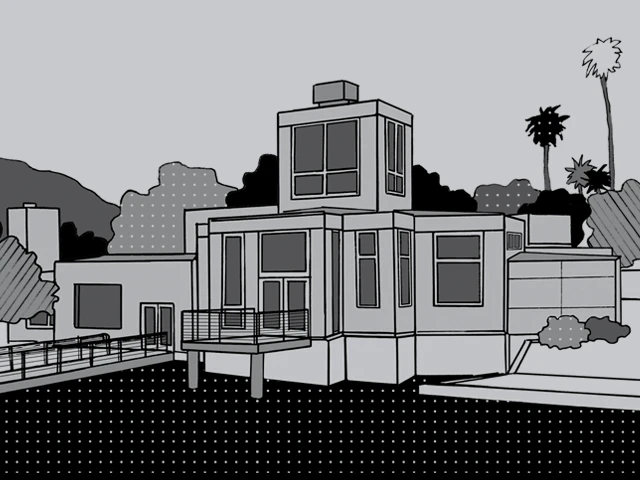
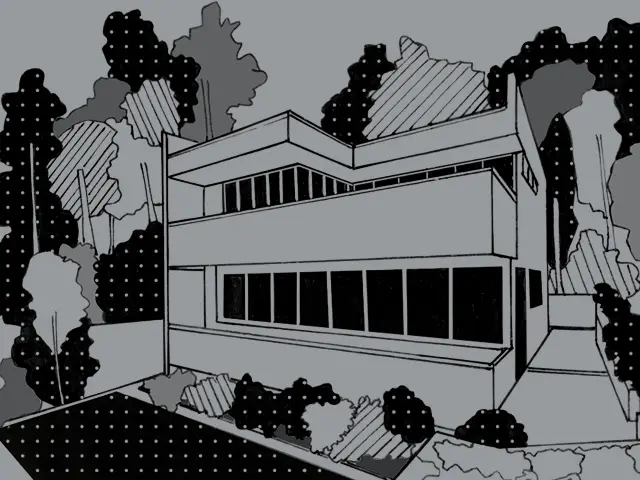
In Ray Kappe’s architecture, FAIA, structure and landscape move in quiet harmony. His homes step gently down hillsides through layered decks, exposed beams, and luminous walls of glass. The result is a form of modernism that feels both architectural and deeply connected to nature. Over a career spanning six decades, Kappe designed more than 100 custom residences and helped define the character of California modernism.
Ray Kappe was born on August 4, 1927, in Minneapolis, Minnesota, the son of Romanian immigrants who had changed the family name from Kapelowitz to Kappe. In 1940, the family relocated to Los Angeles, a move that would shape the entire arc of his career. As a teenager, he attended Emerson Junior High School in Westwood, a building designed by Richard Neutra. The experience left a lasting impression. Neutra’s steel-framed building, with its sliding glass doors and rooftop terraces, introduced a young Kappe to the idea that architecture could integrate structure, light and the outdoor environment in genuinely new ways. After a single semester at UCLA in 1945, Kappe was drafted into the U.S. Army Corps of Engineers, where he served as a topographical surveying instructor. That background in terrain and land would later inform his approach to hillside residential design. Upon discharge, he enrolled at the University of California, Berkeley, earning his Bachelor of Architecture degree in 1951. He then worked as a draftsman at the San Francisco firm Anshen and Allen, where he contributed to several Eichler Homes projects, before returning to Los Angeles to spend two years working with architect Carl Maston. In 1954, Kappe opened his own practice. His first independent project, the National Boulevard Apartments (also known as the Phineas Kappe Apartments) in Palms, Los Angeles, earned an AIA Design Award and was published in Arts and Architecture magazine. The building was a clear demonstration of post-and-beam construction and the horizontal aesthetic that would define much of his early residential work. Explore more about the modernist home styles that define Los Angeles.
The Design Philosophy Behind Ray Kappe Architecture
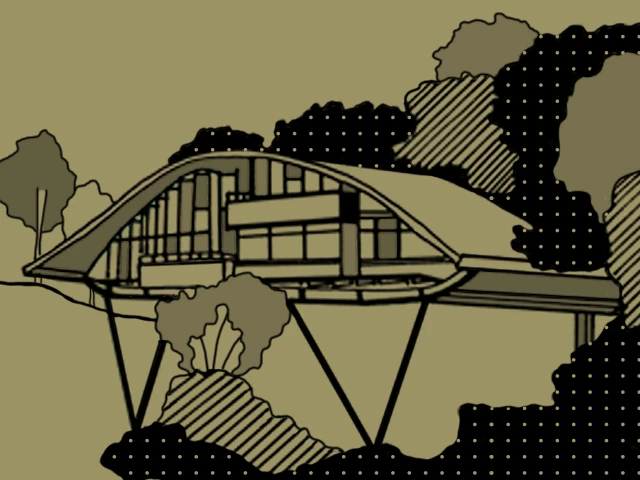
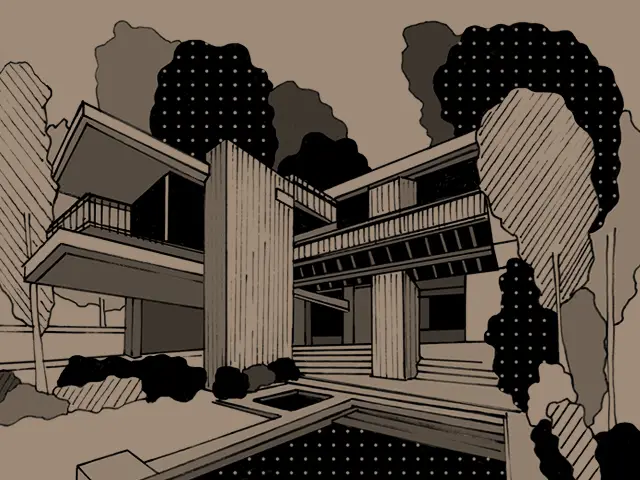
Ray Kappe’s architecture is rooted in a few enduring principles: a deep respect for the natural site, structural honesty, the use of warm natural materials and a belief that good design should be accessible rather than exclusive. Unlike architects who imposed geometry on a landscape, Kappe read each site carefully and allowed its topography to shape the building’s form. His hillside homes typically feature multiple split levels that step with the slope rather than fighting it, minimizing grading and preserving the natural ground beneath. Structurally, Kappe is perhaps best known for a system he developed in the early 1960s: sinking six to eight steel-reinforced concrete or wooden towers deep into unstable or steep hillside ground, then spanning massive laminated timber beams between those towers to carry the living spaces above. This approach reduced the home’s footprint on the land, allowed springs and natural drainage to flow freely beneath it and created a treehouse-like quality that visually and spatially connected the interior to the surrounding trees and canyon views. His material palette leaned consistently toward redwood, Douglas fir, glass and exposed concrete, chosen not for trendiness but for their warmth, durability and ability to weather into the California landscape. Interior spaces were open-plan, multi-level and flooded with natural light through expansive glazing and carefully positioned skylights. Kappe was also an early adopter of passive solar strategies and energy-efficient design, well before such ideas became mainstream in the profession. His work sits comfortably within the broader mid-century modern tradition in Los Angeles, while also pointing forward toward the sustainable design movement.
The Kappe Residence: A Monument in Pacific Palisades
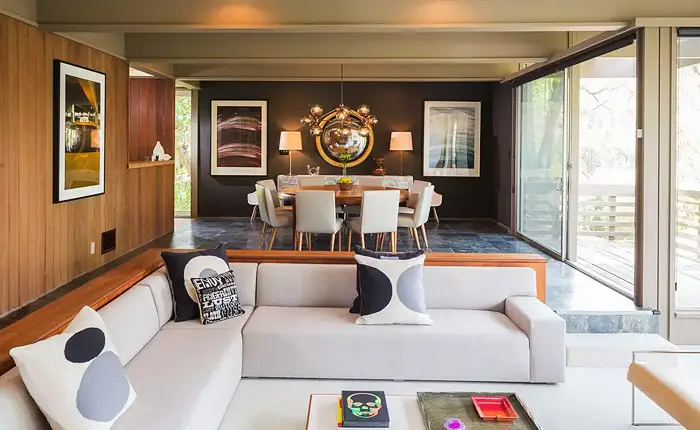
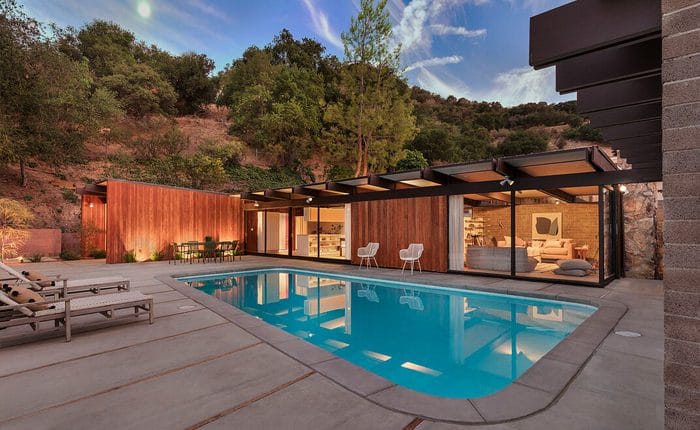
Ray Kappe approached residential design as a careful study of terrain and light. Rather than imposing rigid geometry, he allowed homes to unfold organically along the contours of the land. Each project becomes a thoughtful conversation between structure, hillside and sky. One of his greatest projects was The Kappe Residence in Pacific Palisades, completed in 1967, which was designated Los Angeles Historic-Cultural Monument No. 623 in 1996 and named among the top ten houses in Los Angeles by the Los Angeles Times in 2008.
If one building defines Ray Kappe’s architecture, it is the home he designed for himself and his wife, Shelly in the Rustic Canyon area of Pacific Palisades. Kappe purchased the steep hillside lot in 1962 for $17,000, when the parcel was considered unbuildable due to its sharp grade and active underground springs that saturate the ground and prevent conventional foundations. Kappe solved both problems at once. His solution was to sink six massive concrete towers deep into the hillside, then raise the 4,000-square-foot house on enormous laminated fir beams spanning from tower to tower. The springs flow freely beneath the structure, undisturbed. Built between 1965 and 1967, the house rises across seven split levels, creating a dynamic sequence of spaces that feel simultaneously open and sheltered. Redwood ceilings and detailing, walls of glass, massive skylights and multiple cantilevered decks define both the interior and exterior experience. Below the main living areas sits Kappe’s glass-walled studio, which served as the creative workshop for more than 200 of his projects over the decades. The Kappe Residence was designated Los Angeles Historic-Cultural Monument No. 623 in 1996. In 2008, an expert panel selected by the Los Angeles Times named it one of the top ten houses in Los Angeles. It remains one of the most studied and visited examples of California modernism anywhere in the world. For buyers interested in architecturally significant properties, homes of this caliber represent a rare intersection of design history and livable space. Learn more about the neighborhoods of Los Angeles where architectural landmarks are found.
Iconic Kappe Homes Across Los Angeles
Beyond his own residence, Kappe designed well over 100 custom homes across Southern California during a career that stretched from 1954 into the 2010s. Several of these properties have become touchstones for students, historians and collectors of significant residential architecture. The Bernheim House (1959), located in the Crestwood Hills neighborhood, is an early example of Kappe’s post-and-beam craft, incorporating his characteristic sensitivity to natural light and the relationship between indoor and outdoor space. The Strimling House (1964) in Encino sits on nearly an acre of wooded grounds and demonstrates Kappe’s mastery of siting a home within a mature landscape, with the design opening onto the surrounding trees rather than imposing upon them. In Santa Monica Canyon, a 1970 Kappe-designed residence has been recognized as one of the finest examples of his mature style, featuring his characteristic multi-level organization, exposed structural elements and extensive use of glass to blur the threshold between the interior and the California outdoors. His own residence became both a structural prototype and a philosophical blueprint, inspiring ten additional custom homes he crafted across the challenging hillside terrain of Rustic Canyon.
The Benton House and Cultural Visibility
Kappe’s work also found an audience beyond the architecture world. One of his projects, known as the Benton House, was featured prominently as a major plot point in an episode of the Showtime series Californication, and its interiors appeared in the CBS series Shark and the film Cruel Intentions. This kind of cultural visibility speaks to the enduring visual power of Kappe’s residential designs, homes that read as cinematic even to viewers who may never have heard his name. Discover more architecturally significant homes available in Los Angeles.
Founding SCI-Arc and Shaping Architectural Education
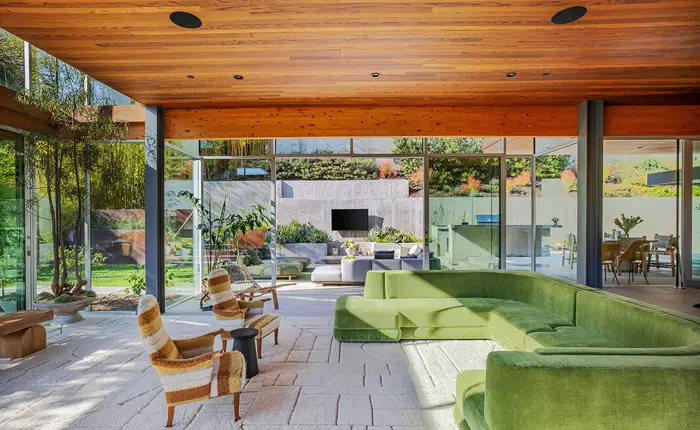
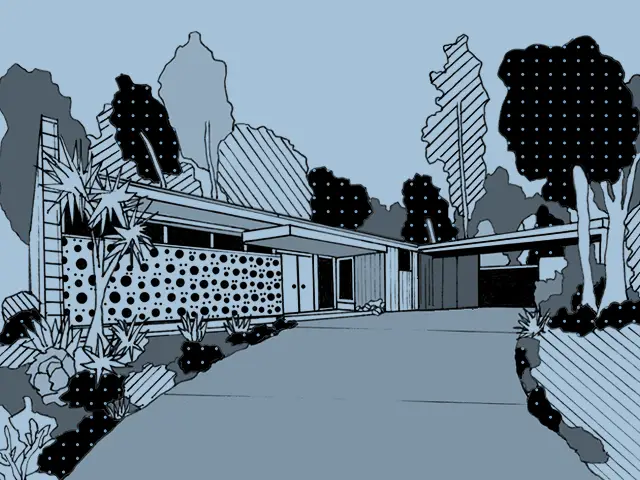
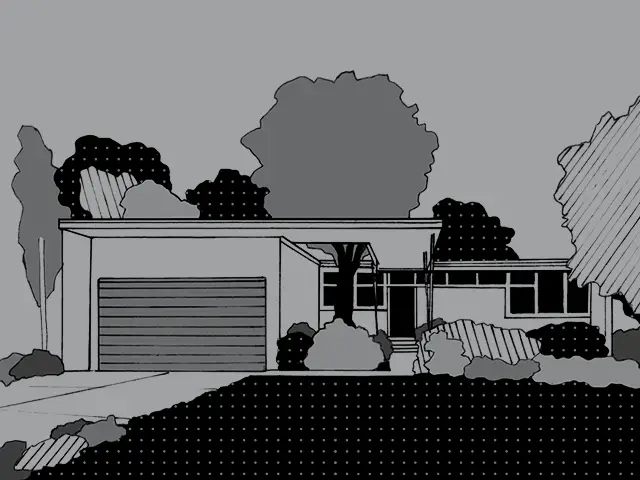
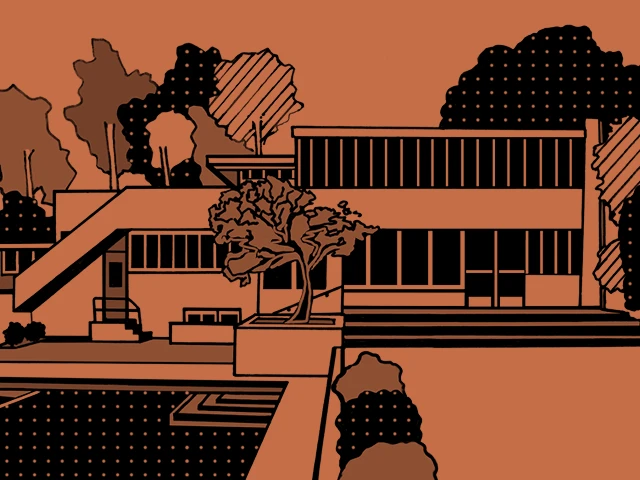
Throughout Southern California, Ray Kappe developed a style that blends modern engineering with natural warmth. Structural grids, exposed timber and generous glazing create homes filled with light and movement. His work captures the spirit of California living at its most thoughtful. The Southern California Institute of Architecture (SCI-Arc) was co-founded by Ray Kappe in 1972 and is today ranked among the leading architecture schools in the United States and the world.
Ray Kappe’s influence on Los Angeles architecture extended far beyond the buildings he designed himself. In 1967, he was approached by landscape architect Bernard Zimmerman at California Polytechnic University, Pomona, to help create a new architecture program there. Kappe became the founding chairman of Cal Poly Pomona’s Department of Architecture in 1968, building a program that emphasized creative discourse, well-rounded education and a more experimental approach than most traditional programs offered at the time. When the university administration pushed back on what Kappe described as his program’s progressive orientation, he resigned in 1972. Rather than walking away from education, he gathered a small group of faculty colleagues, including Thom Mayne, Ahde Lahti, Bill Simonian, Glen Small, Jim Stafford and his wife Shelly Kappe, and founded what they called the New School. That institution eventually became the Southern California Institute of Architecture, universally known today as SCI-Arc. SCI-Arc was structured from the beginning around creative dialogue, experimental design thinking and a resistance to the conventions of traditional academic architecture programs. Kappe served as its first director for fifteen years and remained connected to the institution throughout his life. The school, now based in the Arts District of Los Angeles, is consistently ranked among the top architecture schools in the country and has produced generations of influential designers. As Pritzker Prize-winning architect Thom Mayne said upon Kappe’s death in 2019, SCI-Arc would not exist without Ray Kappe and the world of architecture would not be what it is without SCI-Arc. For a broader view of architectural history in the city, see our guide to Los Angeles neighborhoods and their architectural character.
Prefabrication, Sustainability and the LivingHomes Partnership
Ray Kappe’s engagement with prefabricated and modular construction began decades before the concept gained widespread interest in the design world. As early as the 1960s and 1970s, he was exploring how modular building components could be craned into difficult hillside sites, minimizing ground disturbance and reducing construction time. His interest in passive solar design and energy efficiency also predated the sustainable architecture movement by many years. In 2003, developer Steve Glenn approached Kappe about collaborating on a new line of modern prefabricated homes under the LivingHomes brand. Glenn had encountered Kappe at an open house for one of his resale properties and was struck by the architect’s decades-long engagement with exactly the ideas Glenn wanted to pursue: modern design, sustainability and healthy materials. The partnership produced a series of homes that pushed the boundaries of what prefabricated construction could achieve at a high design level. The first LivingHome, completed in 2006 on Highland Avenue in Santa Monica, became the first residence in the United States to receive a LEED Platinum certification from the U.S. Green Building Council. The following year, the National American Institute of Architects named it one of the top ten greenest buildings in the country. A second LivingHome followed in 2007 at 12321 Rochedale Lane in Los Angeles. Kappe continued designing homes for the LivingHomes series into his final years, a testament to his lifelong belief that thoughtful modern design and environmental responsibility were not competing values but inseparable ones. Read more about modernist homes in Los Angeles that combine design excellence with lasting value. For further context on sustainable modernist design, see Dezeen’s profile of Ray Kappe’s career and legacy.
Awards, Recognition and the Getty Archive
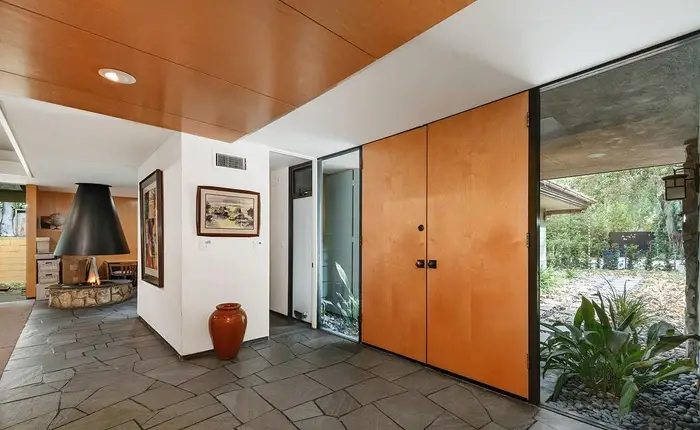
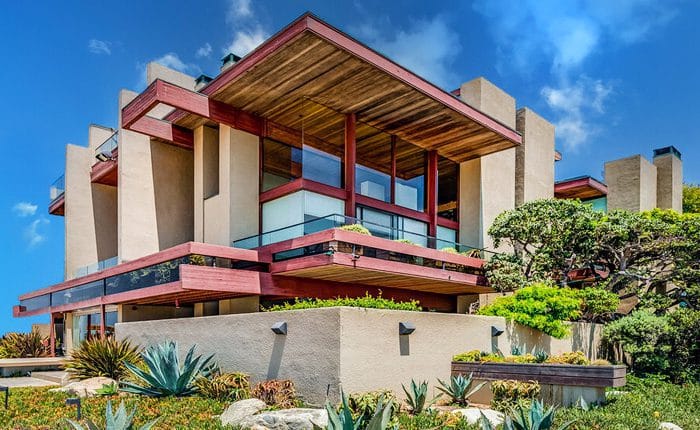
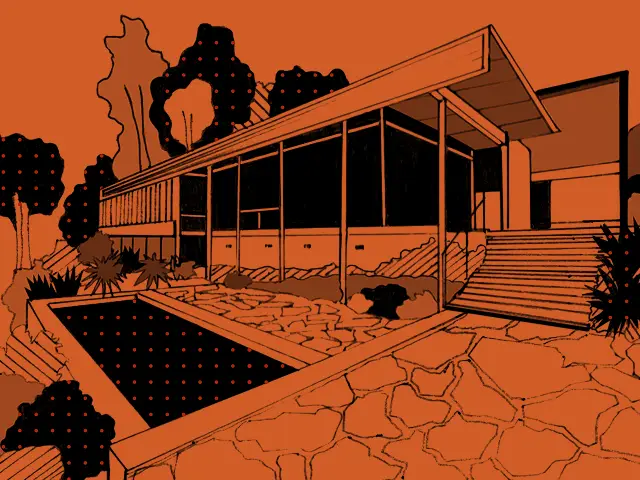
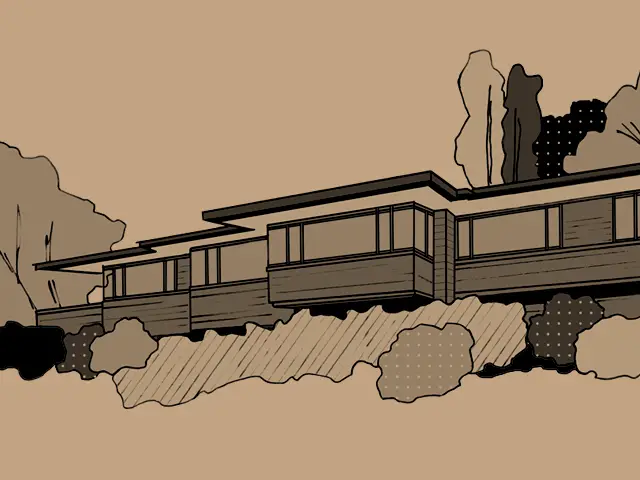
Wood, glass and expressive structural systems define Kappe’s unmistakable architectural language. His homes often reveal their framing openly, turning beams and columns into elegant design features. Living within these spaces feels both expansive and grounded. The Ray Kappe Archive at the Getty Research Institute contains thousands of original drawings, architectural models, photographs and project files spanning the full arc of his career.
Over the course of his career, Ray Kappe received virtually every major honor available to an American architect. He was awarded the Richard Neutra International Medal for Design Excellence, a recognition that resonates especially given that it was Neutra’s junior high school building that first inspired him as a teenager in Los Angeles. He received the California Council/AIA Bernard Maybeck Award for Design, the AIA Los Angeles Gold Medal and the LA Architectural Lifetime Achievement Award. In 1990, he received the Topaz Medal, the highest honor in American architectural education, jointly awarded by the AIA and the Association of Collegiate Schools of Architecture. In 1996, he became the first-ever UC Berkeley College of Environmental Design Distinguished Alumnus in Architecture. The Kappe Residence received the AIA Los Angeles 25-Year Design Award and the AIA California Council 25-Year Award, recognitions given to buildings that have demonstrated lasting architectural significance. These honors acknowledged what observers had long known: that the Pacific Palisades house was not merely a personal home but a canonical work of California modernism. In 2008, Kappe donated his professional archive to the Getty Research Institute in Los Angeles. The collection encompasses thousands of drawings, architectural models, photographs, client correspondence and project files covering more than 300 executed and unexecuted projects from 1954 through 2007. The archive is an essential resource for scholars studying postwar California modernism, the development of prefabrication in residential architecture and the history of architectural education in the United States. For those interested in exploring architecturally significant properties in Southern California, the Beyond Shelter team combines deep architectural knowledge with real estate expertise. Visit our team page to learn more about our approach.
Ray Kappe’s Legacy in Los Angeles Real Estate Today
Ray Kappe died on November 21, 2019, at the age of 92, from respiratory failure. His passing was mourned across the architectural world, with tributes pouring in from former students, colleagues and admirers who had been shaped by his ideas. SCI-Arc’s director at the time, Hernan Diaz Alonso, described his body of architecture as one that would live on forever. Thom Mayne, who co-founded SCI-Arc with Kappe and later won the Pritzker Prize, called it a truly sad day for him personally. In the years since his death, Kappe’s homes have continued to attract intense interest from buyers who understand the significance of what they represent. Kappe-designed properties command attention not only for their architectural pedigree but for their livability, their connection to the landscape, and the quality of light and space that characterizes his best work. In 2021, a custom residence based on a Kappe design in Beverly Hills sold for $7.85 million. The Kappe Residence itself was listed in early 2025 by the Kappe family at $11.5 million, its first time on the market, drawing global attention as one of the most important residential properties ever offered for sale in Southern California. For design-conscious buyers in Los Angeles, a Kappe home represents something increasingly rare: an authentically significant piece of architectural history that also functions as a beautiful place to live. His influence on younger generations of architects, many of them trained at the school he founded, continues to shape the character of new residential design across the region. For buyers, sellers and architecture enthusiasts, working with specialists who understand Los Angeles’ architectural history is essential. Browse our full collection of mid-century modern homes for sale in Los Angeles or contact the Beyond Shelter team to discuss architecturally significant properties. For further reading, the LA Conservancy’s biography of Ray Kappe is an excellent resource.
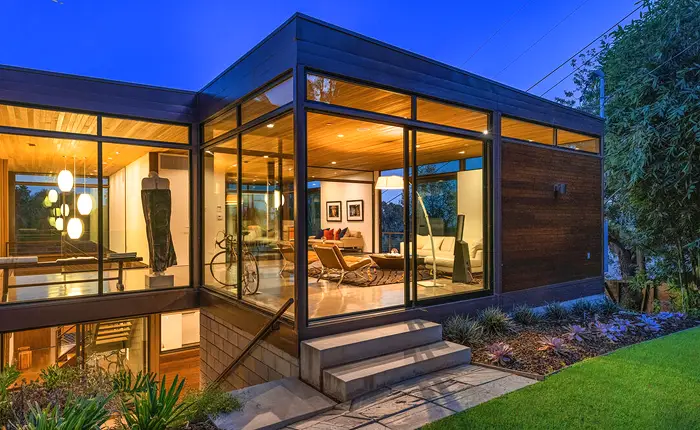
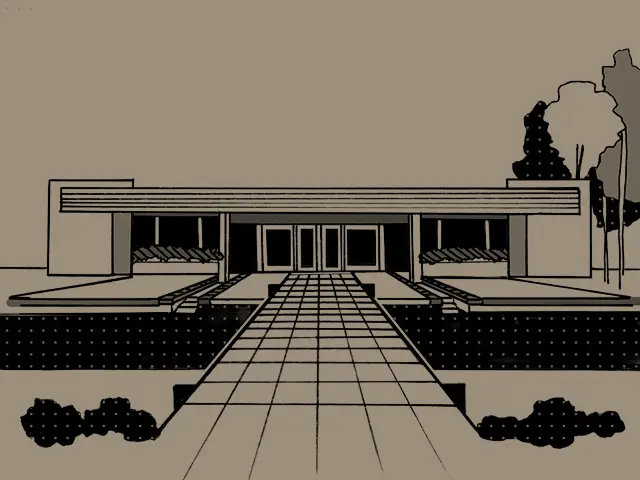
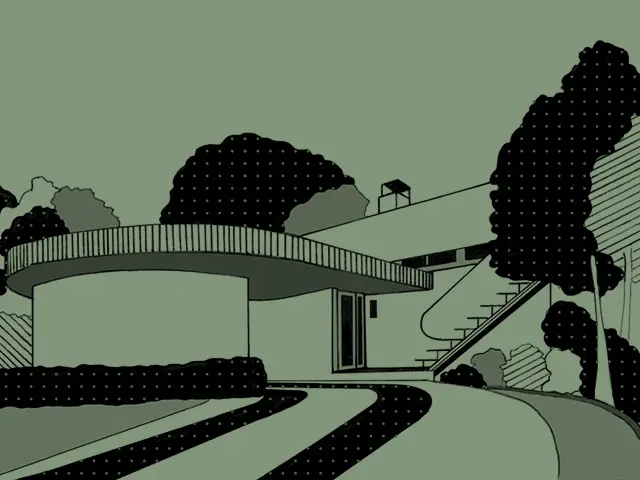
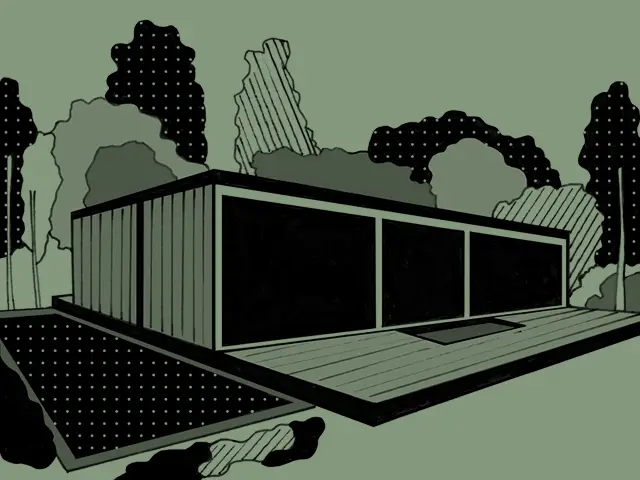
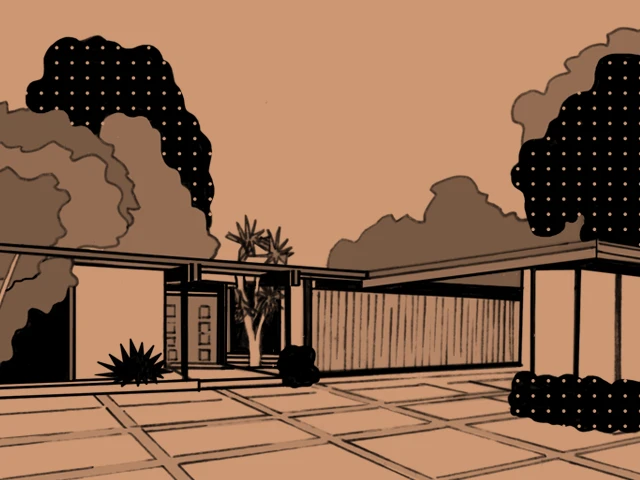
Across decades of practice, Ray Kappe helped define a distinctly Californian form of modern architecture. His buildings balance technical sophistication with a deep sensitivity to climate, terrain and materials. They remain enduring examples of architecture shaped by curiosity, innovation and place. Open-plan layouts, warm redwood finishes and walls of glass looking out to the surrounding landscape are characteristic of Kappe’s residential work.
Ray Kappe – Notable Projects and Houses
- National Boulevard Apartments (aka Phineas Kappe Apartments) (1954) — West Los Angeles, CA. Kappe’s first independent commission; six-unit post-and-beam building designed as an income source for his parents. Received an AIA Design Award and was published in Arts & Architecture magazine. This example epitomizes the horizontal aesthetic and structural clarity of his early California modernism.
- Goetschel House (1954) — Glendale, CA. One of Kappe’s first solo residential commissions, post-and-beam construction on a challenging site and an early demonstration of his material sensibility and spatial organization.
- Phineas and Betty Kappe House (1956) — Sherman Oaks, CA. Designed for his own parents, 2,300 sf with walls of glass, vaulted ceilings, a gated zen garden, an interior reflecting pool and an outdoor spa with a waterfall. Ray Kappe and his young family lived here until their own Pacific Palisades home was completed in 1967.
- Stoner House (1956) — Long Beach, CA. Located on Treasure Island, the post-and-beam construction is on a waterfront site. Built by Russell S. Best.
- Lowen House (1957) — Hollywood Hills, Los Angeles, CA. Multi-level hillside residence with characteristic Kappe glazing and indoor-outdoor connection. Kappe designed an addition in 2006; later owned by art dealer Bob Ghassemieh.
- Gomberg House (1958) — Santa Monica, CA. Post-and-beam hillside residence on Brooktree Road in Santa Monica Canyon. Pierre Koenig designed an addition circa 1969; Kappe added to the house himself circa 1979.
- Waymire House (1958) — Los Angeles, CA. Commissioned in 1957; later owned by Michael Govan, director of LACMA. Renovated by architect Barbara Bestor.
- Kasof Residence (1958) — Culver City, CA. Commissioned 1957; a well-documented early post-and-beam residence with characteristic indoor-outdoor integration.
- Hammond Apartments (1958) — West Los Angeles, CA. Ten-unit multi-family building; an early example of Kappe applying modernist principles to multi-family housing at scale.
- Clemmons Residence (aka Tempo House) (1959) — Los Angeles, CA. Photographed by Julius Shulman, one of Kappe’s earliest houses to receive significant photographic documentation and publication.
- Erdley Residence (1959) — Pacific Palisades, CA. Clients requested a house like Kappe’s parents’ home, “with a tree growing through it.” Kappe designed an addition in 1982. Remained in the Erdley family through at least 2014.
- Hayes Residence (1959) — Sherman Oaks, CA. Commissioned 1958; photographed by Julius Shulman; featured in House and Home, November 1960.
- Barsha Residence (1961) — Sherman Oaks, CA. Multi-level post-and-beam residence; Kappe added a second-story master suite in 1974.
- Gates Residence (1961) — Pacific Palisades, CA. Commissioned in 1959; notable for flexible children’s rooms with moveable walls. Published in the Los Angeles Herald-Examiner, 1964.
- Strimling Residence (1964) — Encino, CA. Sited on nearly an acre of densely wooded grounds, the design is carefully integrated into a mature landscape with minimal site disturbance. Restored in the mid-2000s.
- Kappe Residence (1965–1967) — Pacific Palisades (Rustic Canyon), Los Angeles, CA. Kappe’s own family home, built on a steep hillside lot with active underground springs, uses six reinforced-concrete towers supporting laminated-fir beams. 4,157 sf across seven split levels; Kappe’s glass-walled studio occupies the ground floor. Photographed by Julius Shulman. Designated Los Angeles Historic-Cultural Monument No. 623 (1996). Named one of the top ten houses in Los Angeles by the Los Angeles Times (2008). AIA Los Angeles 25-Year Design Award; AIA California Council 25-Year Award.
- Gould-Jacobson House (1968) — Los Angeles, CA. Commissioned in 1966; engineered by Reiss and Brown. A significant commission from the Kahn Kappe Lotery partnership era.
- Gertler Residence (1970) — Los Angeles, CA. Multi-level hillside design with exposed structural elements, open-plan living spaces, and extensive glazing connecting the interior to the canyon landscape.
- Rubin House (1971) — Point Loma, San Diego, CA. Designed with Kahn Kappe Lotery Architects; historically designated.
- Borghei-Cookston House (1984) — Santa Monica, CA. Commissioned 1975; designed with Herbert Kahn and Rex Lotery; Finn Kappe served as construction manager. The house sat unfinished for six years before completion. Featured in GA Houses 18.
- Benton House (1990) — Santa Monica Canyon, Los Angeles, CA. Designed for psychologist Dr. Esther Benton; uses a steep hill through a high concrete retaining wall, creating two distinct but connected volumes with 20-foot ceilings and glass walls. Featured in Wallpaper* (2006). Appeared in the Showtime series Californication, the CBS series Shark and the film Cruel Intentions.
- Keeler House (1991) — Pacific Palisades, CA. Designed for jazz singer Anne Keeler and her husband Gordon Melcher; 4,142 sf of concrete, redwood, teak and Douglas fir in a cantilevered multi-level arrangement referencing Kappe’s own nearby residence. One of the last cantilevered post-and-beam designs of its type under then-current California seismic and Title 24 codes. Featured in GA Houses 101. Destroyed in the Palisades Fire, January 2025.
- LivingHome Z6 House (LivingHome I) (2006) — Santa Monica, CA. Modular prefabricated steel-frame construction developed with Steve Glenn / LivingHomes. First home in the world to achieve LEED Platinum certification from the U.S. Green Building Council. Named one of the “Top Ten Greenest Buildings in the U.S.” by the AIA National (2007); NAHB Research Center Energy Value Housing Award.
- Beron House (LivingHome II / Rochedale House) (2007) — Los Angeles, CA. Kappe’s second design for the LivingHomes prefabricated series: 4,000 sf, assembled on-site in approximately 2.5 days. Uses approximately 36% less energy than a conventionally built construction of equivalent size.
- Cowen House (LivingHome III) (2010) — Los Altos, CA. Three modular prefabricated units of varying sizes, part of the LivingHomes series developed with Steve Glenn.
- Brown House (LivingHome IV) (2014) — Santa Monica, CA. Developed by Steve Glenn / LivingHomes. Sold in 2020 to the University of Southern California for use as a President’s House.
- Desert Palisades Residence (DP24) (2021) — Palm Springs, CA. Commissioned circa 2017; a collaborative design by Ray and Finn Kappe. Ray Kappe contributed schematic drawings before his death in 2019; Finn Kappe completed the project. 3,200 sf single-story structure clad in weathering steel, set within the gated Desert Palisades development. First Kappe-designed residence built in Palm Springs. Published in Architectural Record (2022).
- Triesch Residence (2022) — Kleinmachnow, Brandenburg, Germany. Kappe’s only completed project outside the United States. Commissioned by vintage furniture dealer Lars Triesch and his wife Sara; project architect: Finn Kappe. Prefabricated wall panels and structural members assembled on-site in one week; custom-milled redwood siding shipped from Oakland, CA. Published in Wallpaper* (2024).
Frequently Asked Questions About Ray Kappe Architecture
Looking for a Ray Kappe Home for Sale or an Architecturally Significant Property in Los Angeles?
Beyond Shelter specializes in the kind of properties Ray Kappe dedicated his career to creating.
Our team combines deep architectural knowledge with Los Angeles real estate expertise to help design-conscious buyers and sellers navigate the market for modernist, historic and architecturally significant homes across Southern California. Whether you are searching for a mid-century modern house, a documented architect-designed residence, or simply a home with exceptional design, we can help. Browse Our Listings:
Mid-Century Modern Homes for Sale
Explore by Architect:
Architectural Homes for Sale
Service Areas: Los Angeles and Southern California. Contact the Beyond Shelter Team to Get Started →
About Beyond Shelter
Beyond Shelter is a premier architecture and real estate firm serving Los Angeles and Southern California. With deep expertise in modernist architecture, historic preservation and architectural history, we help clients discover and acquire architecturally significant properties. Our team combines architectural knowledge with real estate expertise to provide comprehensive guidance for design-conscious buyers, sellers, and architecture enthusiasts. Learn more about our services →